
Muscle pain, stiffness, and persistent tension can make everyday activities uncomfortable. You might notice a tight spot in your neck after working at a computer, a tender area in your shoulders after a stressful day, or muscle discomfort after an intense workout. Sometimes, these sensations are associated with what people commonly call muscle knots or trigger points.
Understanding trigger points can help you recognize possible causes of muscle discomfort and explore appropriate ways to manage it. Treatments may include massage therapy, gentle stretching, physical therapy, and changes to daily habits.
In this guide, we will explain what trigger points are, why they develop, how they may affect your body, and which approaches can help relieve associated discomfort.
1. What Is a Trigger Point?
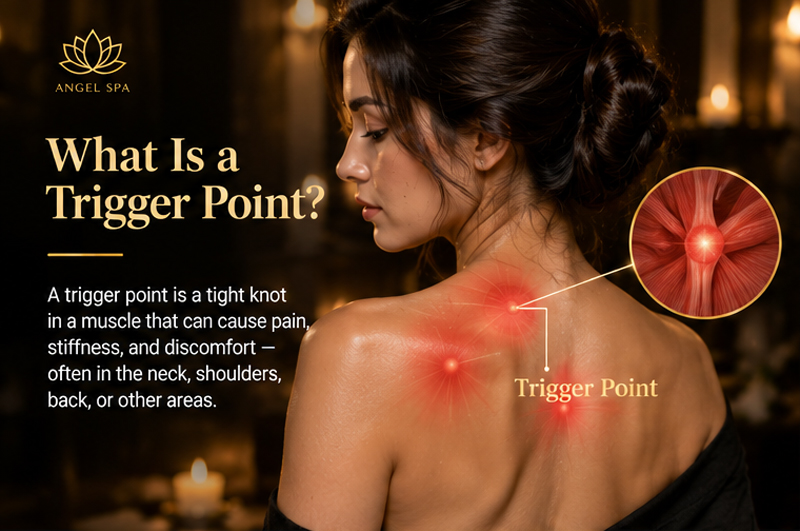
A trigger point is a sensitive area within a muscle or surrounding connective tissue that may cause discomfort when pressure is applied. Some trigger points can also produce pain in nearby or seemingly unrelated areas of the body.
Trigger points are commonly associated with muscle tension and are often described as small knots or tight bands within muscle tissue. They may develop in the neck, shoulders, upper back, lower back, hips, and legs.
For example, someone who spends several hours working at a desk might notice a tender spot in the upper shoulder muscles. Pressing that area may cause localized discomfort or pain that spreads toward the neck.
Understanding Myofascial Trigger Points
Myofascial trigger points are discussed in relation to muscles and the fascia, the connective tissue surrounding and supporting muscles and other structures.
They may be associated with localized tenderness, muscle sensitivity, and discomfort during movement. However, the underlying mechanisms and the reliability of trigger point identification are still debated in scientific research.
Not every tight muscle or tender spot is necessarily a trigger point. Muscle discomfort can have several causes, including overuse, injury, prolonged positioning, and other musculoskeletal conditions.
Active vs. Latent Trigger Points
Trigger points are commonly described in two categories:
- Active trigger points: These may cause spontaneous discomfort or pain during certain movements, as well as tenderness when touched.
- Latent trigger points: These may feel tender when pressure is applied but do not necessarily cause pain during everyday activities.
Recognizing these differences can help explain why some people experience persistent discomfort while others notice tenderness only when a specific area is pressed.
Where Do Trigger Points Commonly Develop?
Trigger points are often discussed in muscles that experience repeated movement, sustained positioning, or physical stress, including:
- Neck and shoulders, especially after prolonged desk work.
- Upper and lower back, where muscle discomfort may develop after lifting or sitting for long periods.
- Hips and gluteal muscles, which contribute to posture and movement.
- Calves and thighs, particularly after demanding physical activity.
The location of discomfort alone cannot confirm the presence of a trigger point. Persistent or unexplained pain may require evaluation by a qualified healthcare professional.
2. What Causes Trigger Points?
There is no single confirmed cause of all trigger points. However, several everyday habits and physical factors may contribute to muscle tension and tenderness.
Poor Posture and Prolonged Sitting
Spending long periods sitting at a desk, leaning toward a computer screen, or looking down at a smartphone can place sustained demands on the muscles of the neck, shoulders, and upper back.
Over time, remaining in one position may contribute to fatigue and discomfort, especially when movement breaks are limited.
Adjusting your workstation, keeping your screen at a comfortable height, and changing positions regularly may help reduce unnecessary muscle strain.
Muscle Overuse and Repetitive Movements
Repetitive tasks and demanding physical activity can leave muscles tired and sensitive. Activities such as lifting weights, running, carrying heavy objects, or performing the same movements throughout the workday may contribute to muscle soreness.
Increasing exercise intensity too quickly or allowing insufficient recovery time can also make discomfort more noticeable.
Gradually increasing activity, warming up appropriately, and allowing time for recovery can help support healthy muscle function.
Stress and Muscle Tension
Emotional stress can influence how the body responds physically. During stressful situations, people may unconsciously raise their shoulders, tighten their jaw, or hold their muscles rigid for extended periods.
When these habits occur repeatedly, they may contribute to feelings of tightness and discomfort.
Relaxation techniques, regular physical activity, adequate sleep, and massage may help some people manage stress-related muscle tension.
Injury and Inadequate Recovery
Muscle strains and other injuries can cause pain, tenderness, and restricted movement. Returning to strenuous activity before recovering adequately may prolong discomfort.
Because injuries and trigger point-related symptoms can overlap, persistent pain should not automatically be attributed to muscle knots. Appropriate assessment can help determine whether additional treatment is needed.
3. What Are the Symptoms of Trigger Points?
Symptoms vary depending on the affected muscle, the cause of discomfort, and the individual’s overall condition.
Commonly reported symptoms include:
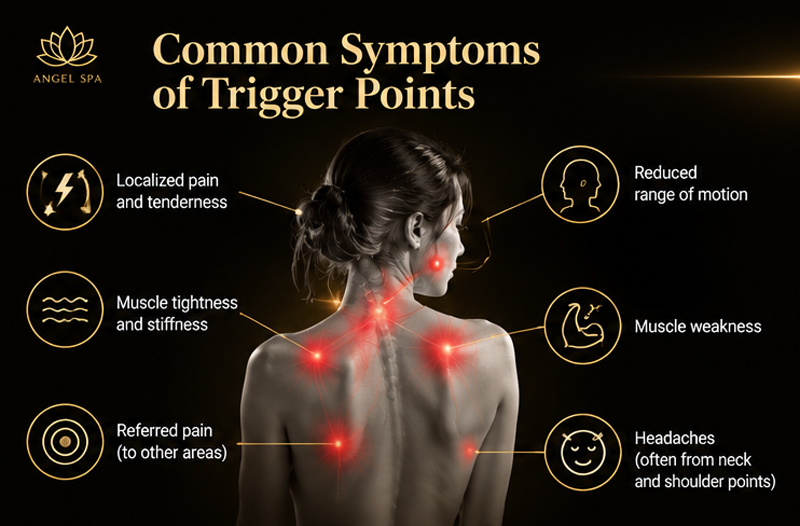
- Tenderness when pressure is applied to a specific area.
- A tight or knotted sensation within a muscle.
- Localized aching or discomfort.
- Stiffness or reduced comfort during movement.
- Pain that becomes more noticeable after prolonged sitting or physical activity.
- Discomfort that appears to spread beyond the sensitive area.
Some people notice symptoms when turning their head, lifting their arms, exercising, or maintaining the same posture for too long.
Can Trigger Points Cause Referred Pain?
Referred pain occurs when discomfort is felt in an area different from its apparent source. Certain sensitive muscle areas may be associated with this pattern.
For example, tension in the muscles around the shoulders may coincide with discomfort extending toward the neck or upper back.
However, referred pain is not unique to trigger points. Nerve irritation, joint problems, and other conditions can produce similar symptoms.
If pain spreads unexpectedly, becomes severe, or occurs alongside numbness or weakness, seek medical evaluation rather than attempting to treat the area with massage alone.
4. How Are Trigger Points Identified?
Healthcare professionals may assess muscle discomfort by reviewing symptoms, medical history, physical activity, and any previous injuries.
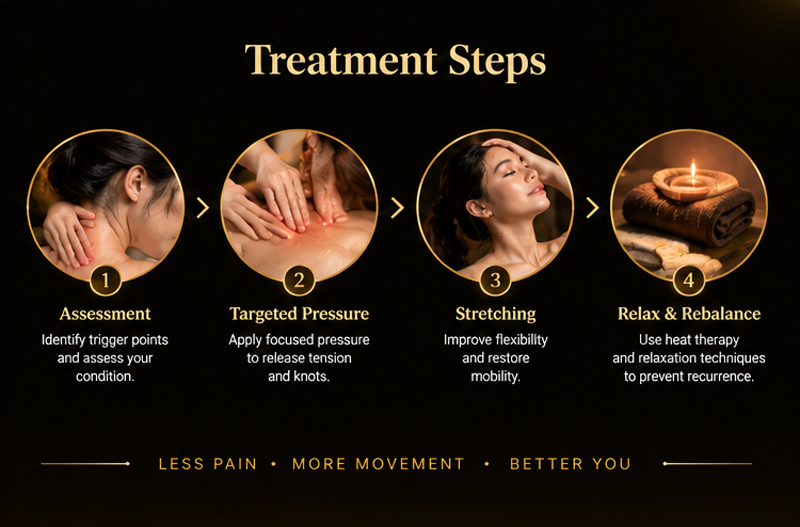
An examination may include gently pressing the affected muscles, evaluating tenderness, observing movement, and checking whether particular activities reproduce the symptoms.
The assessment also helps identify other possible causes, such as muscle strains, joint conditions, or nerve-related problems.
There is no single definitive test that confirms every suspected trigger point. Imaging and other investigations may be considered when symptoms or examination findings suggest an alternative condition.
For persistent, unexplained, or worsening pain, a qualified healthcare professional can recommend an appropriate assessment and treatment plan.
5. How Are Trigger Points Treated?
Treatment depends on the cause, severity, and duration of the symptoms. Many people begin with conservative approaches designed to improve comfort, maintain movement, and reduce excessive strain.
Trigger Point Massage
Trigger point massage involves applying controlled pressure and massage techniques to sensitive areas of muscle tissue. The approach may include gentle compression, kneading, and movements across surrounding muscles.
The pressure should be adjusted to the individual’s comfort level. Stronger pressure is not necessarily more effective, and massage should not produce intense or escalating pain.
For some people, massage may temporarily reduce muscle discomfort, ease the sensation of tightness, and improve relaxation. However, results vary, and the evidence specifically supporting trigger point massage remains limited.
A qualified massage therapist can adapt the session to the client’s needs and avoid areas where pressure may be inappropriate.
Deep Tissue Massage
Deep tissue massage uses slower strokes and sustained pressure to work on deeper layers of muscle and connective tissue.
It may be considered when muscle tightness or discomfort is associated with physical activity, repetitive movements, or prolonged postures.
Although deep tissue massage may help some people manage musculoskeletal discomfort, it is not suitable for every condition. Excessive pressure can increase soreness or aggravate an injury.
People with unexplained pain, recent injuries, or certain medical conditions should seek appropriate professional advice before receiving intensive massage.
Self-Massage and Foam Rolling
Some people use massage balls or foam rollers to apply controlled pressure to accessible muscle areas.
To do this more safely, begin with light pressure and move slowly. Avoid pressing directly on the spine, the front of the neck, injured areas, or locations that cause sharp or unusual pain.
Self-massage should feel manageable rather than painful. Stop if symptoms worsen, and seek professional guidance if you are unsure which areas are appropriate to treat.
Stretching and Gentle Movement
Gentle stretching and regular movement may help improve comfort when stiffness is related to prolonged positioning or muscle fatigue.
Simple activities include shoulder rolls, comfortable neck movements, walking, and gentle stretches suited to your ability.
Avoid forcing a stretch or pushing through pain. If a movement produces numbness, weakness, sharp pain, or increasing symptoms, stop and seek appropriate advice.
Physical Therapy and Corrective Exercises
Physical therapy may help people whose discomfort is related to movement limitations, muscle weakness, recurring strain, or difficulties with everyday activities.
A physical therapist can recommend exercises to improve strength, flexibility, coordination, and movement habits.
Treatment may also address workstation setup, lifting techniques, exercise routines, and other factors that contribute to repeated discomfort.
Other Medical Treatments
When symptoms persist or do not respond to conservative approaches, a healthcare professional may recommend additional treatment based on the underlying problem.
Depending on the diagnosis, options may include medication, structured rehabilitation, or trigger point injections in selected cases.
Injections are not necessary for everyone, and their benefits vary. A qualified clinician should discuss potential risks, expected outcomes, and alternative treatments before recommending an invasive procedure.
6. Does Trigger Point Massage Really Work?
Trigger point massage may help some people experience temporary relief from muscle-related discomfort. Gentle pressure and massage movements can also provide a relaxing experience and make tight areas feel more comfortable.
However, it is important to maintain realistic expectations. Research on trigger point treatments has limitations, and the benefits may differ between individuals.
Massage does not guarantee that a trigger point will disappear permanently or that the underlying cause of pain will be resolved.
For example, if shoulder discomfort is associated with spending hours in an uncomfortable working position, massage alone may not prevent symptoms from returning. Adjusting the workstation and taking regular movement breaks may also be important.
The most appropriate approach depends on the cause of discomfort, the person’s health, and their response to treatment.
7. How to Manage Trigger Point Discomfort at Home
Several practical habits may help manage muscle tension and support everyday comfort.
Apply Gentle, Controlled Pressure
If you use a massage ball or your hands, apply light pressure to accessible, non-injured muscles. Avoid aggressive pressure, especially around the neck or other sensitive areas.
Stop if discomfort increases or unusual symptoms develop.
Combine Massage With Gentle Stretching
Comfortable stretching and easy movements may help reduce stiffness associated with prolonged sitting or physical activity.
Move slowly, breathe normally, and avoid forcing your body into positions that feel painful.
Improve Your Posture and Take Movement Breaks
When working at a desk, position your screen comfortably, support your back, and keep your shoulders relaxed.
Take regular breaks to stand, walk, or change positions. Small adjustments throughout the day may help reduce the demands of remaining in one posture for too long.
Allow Enough Time for Recovery
Balance demanding physical activity with appropriate rest. Increase exercise intensity gradually, maintain adequate hydration, and aim for consistent, restorative sleep.
If discomfort repeatedly returns despite these changes, consider seeking professional assessment to identify possible contributing factors.
8. When Should You See a Healthcare Professional?
Although many cases of muscle discomfort improve with conservative care, some symptoms require medical evaluation.
Consider seeking professional advice if you experience:
- Pain that persists, repeatedly returns, or becomes progressively worse.
- Significant difficulty moving your neck, back, or limbs.
- Numbness, tingling, or muscle weakness.
- Pain following a significant injury.
- Unexplained pain accompanied by fever or other concerning symptoms.
Seek urgent medical attention for symptoms such as sudden weakness, loss of bladder or bowel control with back pain, chest pain, or difficulty breathing.
These symptoms should not be assumed to result from trigger points. Appropriate medical assessment is important for identifying the cause and determining safe treatment.
9. How to Help Prevent Recurring Muscle Tension
While not all muscle discomfort can be prevented, several habits may support healthier movement and reduce unnecessary strain.
Maintain a comfortable working position. Adjust your chair, screen, and desk to support a natural posture without excessive reaching or prolonged awkward positioning.
Move regularly throughout the day. Take breaks from sitting and incorporate walking, stretching, or other comfortable activities into your routine.
Build strength gradually. Regular exercise can support muscle function, but increases in intensity should be progressive and appropriate for your fitness level.
Manage everyday stress. Breathing exercises, relaxation activities, and realistic work boundaries may help reduce stress-related muscle tension.
Prioritize rest and recovery. Consistent sleep and adequate recovery between demanding activities can support general well-being.
Consider massage when appropriate. Massage may be a useful part of a broader self-care routine, particularly when your goal is relaxation and temporary relief from muscle tightness.
Combining these habits is generally more practical than relying on a single treatment to prevent every episode of discomfort.
10. Experience Relaxation and Wellness at Angel Spa
At Angel Spa — The Best Massage Destination on Earth ® — we believe that taking time for relaxation and personal care is an important part of a balanced lifestyle.
Our spa welcomes men and women seeking a comfortable, personalized massage and wellness experience. Whether you spend long hours at a desk, lead a busy lifestyle, or simply want time to unwind, our massage services offer an opportunity to step away from everyday demands and focus on your well-being.

Massage may help ease feelings of muscle tension and promote relaxation, although individual experiences vary. Our goal is to provide a welcoming environment where you can enjoy time dedicated to comfort and self-care.
Visit one of our Orange County locations to learn more about our services and find an experience suited to your preferences.
Angel Spa — The Best Massage Destination on Earth ®
Stanton Location
12860 Beach Blvd J, Stanton, CA 90680
Fountain Valley Location
16125 Harbor Blvd, Fountain Valley, CA 92708
24/7 Hotline: 714.897.7779
Email: Angel@franchisespa.com
Take a moment for yourself and discover a more relaxing approach to your wellness routine at Angel Spa.
