
Our hands and feet work hard every day. From typing on a computer and performing household tasks to walking, standing, and exercising, these parts of the body are constantly involved in daily activities. Over time, repetitive movements and prolonged physical demands can leave them feeling tired, tense, or uncomfortable.
Hand and foot massage offers a simple way to relax and give these hardworking areas some attention. Through gentle pressure, kneading, and soothing movements, massage may help ease feelings of muscle tension, promote relaxation, and support a comfortable recovery routine.
Whether you spend hours at a desk, work on your feet, or simply want to unwind after a busy day, understanding the benefits of hand and foot massage can help you make informed choices about your personal wellness routine.
1. What Is Hand and Foot Massage?
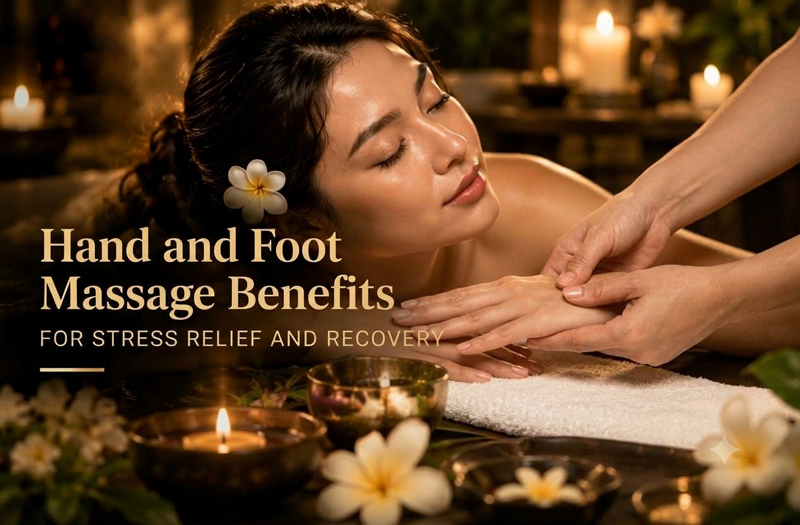
Hand and foot massage involves applying gentle pressure and specific massage movements to the muscles and soft tissues of the hands, fingers, palms, feet, and toes.
A hand massage may include rubbing the palms, gently moving the fingers, and applying comfortable pressure around the base of the thumb and wrist. A foot massage may involve kneading the soles, massaging the heels, and gently working around the toes and arches.
These techniques can be adjusted according to individual comfort, sensitivity, and preferences.
Hand and foot massage may be included in a full-body massage session or enjoyed as a standalone treatment. Some people choose it for relaxation, while others appreciate the focused attention it provides to areas that experience frequent use throughout the day.
Although massage may help ease certain types of muscle discomfort, it should not be considered a cure for underlying medical conditions or a replacement for appropriate medical care.
2. Benefits of Hand and Foot Massage for Stress Relief
2.1. Promotes Relaxation After a Busy Day
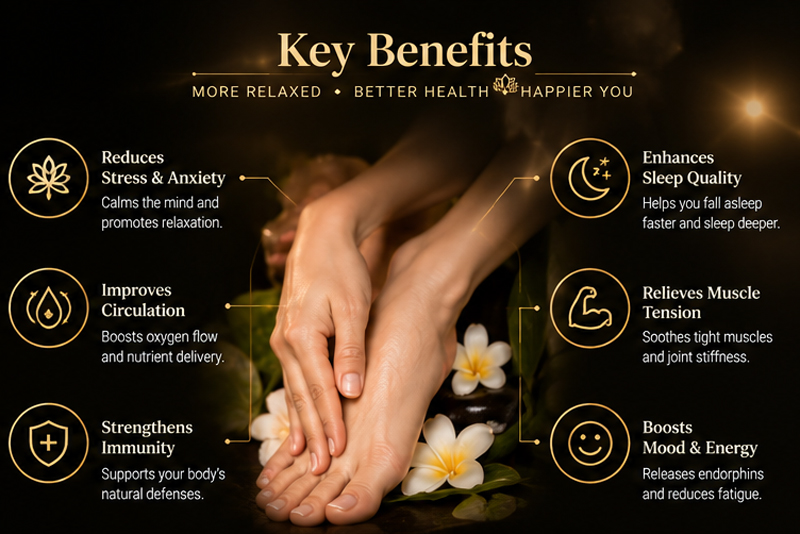
Daily responsibilities can leave little time to slow down. Work deadlines, family commitments, commuting, and household activities may contribute to feelings of stress and fatigue.
A hand or foot massage provides an opportunity to pause and focus on physical comfort rather than ongoing responsibilities.
Gentle massage movements, a comfortable setting, and a period of uninterrupted rest may help some people feel calmer and more relaxed. Focusing on soothing sensations can also provide a welcome break from screens, notifications, and other daily distractions.
Although massage cannot remove the sources of stress, it may become a helpful part of a broader self-care routine.
2.2. Helps Ease Muscle Tension
The hands and feet contain muscles and soft tissues that contribute to everyday movement. Repetitive tasks, prolonged standing, and demanding activities can leave these areas feeling tired or tight.
Massage uses gentle pressure and kneading movements to work on accessible soft tissues. Depending on the cause of discomfort, these techniques may temporarily ease the sensation of tightness and improve overall comfort.
For example, someone who types throughout the workday may appreciate a gentle hand massage, while a person who spends hours standing may prefer focused attention on the feet.
The pressure should always remain comfortable. Stronger pressure is not necessarily more effective, especially when an area is sensitive or painful.
2.3. Encourages Mindful Self-Care
Massage offers more than physical contact. It also creates dedicated time to pay attention to your body’s needs.
During a session, you can slow your breathing, relax your hands, and allow your feet to rest without the demands of everyday activity.
This simple pause may help you become more aware of areas that feel tired or uncomfortable. Over time, incorporating relaxing activities into your routine can encourage healthier self-care habits.
Massage works best alongside other supportive practices, such as adequate sleep, regular movement, and realistic boundaries between work and personal time.
3. Benefits of Hand Massage for Tired Hands and Wrists
3.1. Relieves Feelings of Hand Fatigue
Hands perform countless repetitive movements throughout the day. Typing, writing, cooking, cleaning, using tools, and operating a smartphone all require coordinated movement of the fingers, palms, and wrists.
After extended activity, these areas may feel tired or uncomfortable.
A gentle hand massage can focus on the palms, fingers, and surrounding soft tissues to promote relaxation and temporarily ease feelings of fatigue.
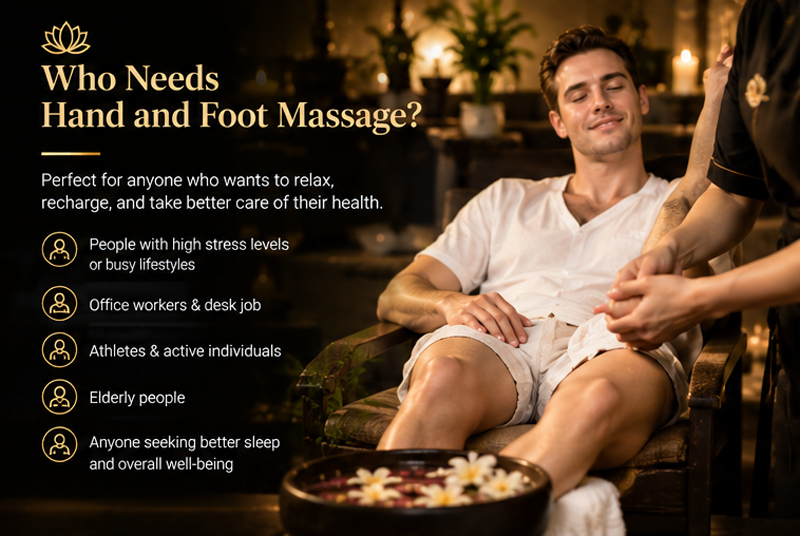
People who work at computers or perform repetitive manual tasks may find hand massage a pleasant way to unwind after work.
However, persistent wrist pain, tingling, numbness, or weakness may indicate a condition that requires professional evaluation rather than massage alone.
3.2. Supports Comfortable Finger and Wrist Movement
The fingers and wrists are involved in many small, precise movements. When the surrounding muscles feel tense, everyday tasks may become less comfortable.
Gentle massage combined with comfortable finger movements may help some people feel more relaxed when using their hands.
For example, slowly opening and closing the fingers or gently moving the wrist within a comfortable range may complement a relaxing hand massage.
Avoid forcing the joints or applying pressure to painful areas. Massage should not be used to push through an injury or unexplained symptoms.
3.3. Provides a Break From Repetitive Work
People who type, write, sew, cook, or perform other repetitive activities may benefit from taking regular breaks throughout the day.
A short hand massage can be one way to make these breaks more restorative. Gently rubbing the palms and relaxing the fingers may help relieve the feeling of tightness associated with prolonged activity.
It is also important to adjust the workstation, vary hand movements when possible, and avoid maintaining uncomfortable wrist positions for extended periods.
Massage may complement these changes, but it cannot reliably prevent or treat every repetitive strain condition.
4. Benefits of Foot Massage for Muscle Tension and Recovery
4.1. Helps Relieve Tired, Aching Feet
Walking, standing, running, and exercising place repeated demands on the feet. After a long day, the soles, heels, and arches may feel tired or uncomfortable.
Foot massage involves gentle kneading and rubbing movements that may help reduce the sensation of tension and provide temporary relief from everyday muscle discomfort.
For people who spend long hours standing at work, a relaxing foot massage can be a welcome way to unwind.
However, foot pain may have several causes, including footwear problems, overuse, injuries, or medical conditions. Persistent or severe discomfort should be assessed by a healthcare professional.
4.2. Supports Relaxation After Physical Activity
After walking long distances or completing a workout, the feet and lower legs may feel fatigued.
A gentle foot massage may help some people feel more comfortable as part of their post-activity relaxation routine. It can also provide time to rest and pay attention to areas that feel tired.
For recovery, massage should be combined with appropriate rest, gradual training progression, suitable footwear, and other measures relevant to the activity.
Massage should not be performed aggressively on an injured, swollen, or unusually painful foot.
4.3. Helps You Unwind Before Bedtime
Foot massage can be a relaxing addition to an evening routine, particularly for people who spend much of the day standing or walking.
Gentle, comfortable movements may help ease the feeling of tired feet and provide a calming transition from daily activity to rest.
You might combine a brief foot massage with a warm, comfortable environment and a consistent bedtime schedule.
Although massage may promote relaxation, it is not a proven treatment for insomnia or other sleep disorders. If sleep difficulties continue to affect daily life, consider speaking with a healthcare professional.
5. Hand Massage vs. Foot Massage: Which Should You Choose?
Both treatments can provide a relaxing experience, but the best choice depends on your daily activities and personal preferences.
Hand massage may be suitable if you:
- Spend long hours typing or using digital devices.
- Perform repetitive tasks involving the fingers and wrists.
- Experience everyday hand fatigue after work.
- Prefer a focused treatment for the palms and fingers.
Foot massage may be suitable if you:
- Spend much of the day standing or walking.
- Feel tired after exercise or long periods on your feet.
- Want a relaxing treatment focused on the soles, heels, and toes.
- Prefer to unwind while resting comfortably.
You do not necessarily need to choose only one. Some people enjoy combining hand and foot massage as part of a broader relaxation session.
If you have persistent pain, an existing injury, or a medical condition affecting the hands or feet, consult an appropriate healthcare professional before receiving massage.
6. Common Hand and Foot Massage Techniques
Several techniques may be used during a hand or foot massage. The choice depends on the area being treated, individual comfort, and the purpose of the session.
Gentle Stroking
Slow, gliding movements across the palms or soles can help create a soothing experience. This technique is often used at the beginning or end of a session.
Kneading
Gentle kneading involves working the soft tissues with controlled movements. It may be used on suitable areas of the palms, the fleshy base of the thumb, or the soles of the feet.
Finger and Toe Massage
Each finger or toe can be gently massaged using light pressure. Small, comfortable movements may help the treatment feel more focused and relaxing.
Comfortable Pressure Around the Arch and Palm
The arches of the feet and the palms of the hands can receive focused attention, provided the pressure remains comfortable.
Deep or painful pressure is not necessary for a beneficial relaxation experience. Avoid aggressive manipulation, especially around joints, injuries, and sensitive areas.
7. How to Give Yourself a Simple Hand and Foot Massage at Home
You do not always need a professional appointment to enjoy a few moments of relaxation. A gentle self-massage can be part of your daily routine when performed safely.
Step 1: Find a Comfortable Position
Sit somewhere comfortable where your hands and feet can rest without strain. Make sure your skin is clean and dry before beginning.
Step 2: Start With Gentle Movements
Rub your palms together or use slow strokes across the soles of your feet. Begin with light pressure and pay attention to how each area feels.
Step 3: Massage the Palms and Soles
Use your thumb to make small, gentle circles across comfortable areas of the palms or soles. Avoid pressing directly on painful spots.
Step 4: Gently Work Around the Fingers and Toes
Massage each finger or toe lightly, without pulling, twisting, or forcing the joints.
Step 5: Finish by Resting
Take a few slow breaths and allow your hands and feet to relax. Stop immediately if you experience sharp pain, numbness, unusual tingling, or worsening discomfort.
A few minutes may be enough for a relaxing break. Consistency and comfort are more important than applying excessive pressure.
8. How Often Should You Get a Hand and Foot Massage?
The ideal frequency depends on your preferences, activity level, comfort, and overall health.
Some people enjoy a brief self-massage several times a week, while others prefer an occasional professional session after a demanding period of work or exercise.
There is no universal schedule that guarantees better results. Pay attention to how your body responds and avoid massaging areas that become increasingly sore or irritated.
If hand or foot discomfort keeps returning, consider whether repetitive movements, prolonged standing, unsuitable footwear, or other daily habits may be contributing factors.
Massage can support relaxation, but recurring symptoms may require a more specific assessment and treatment plan.
9. Safety Tips and When to Avoid Massage
Hand and foot massage is generally intended to be gentle and comfortable, but it is not appropriate for every situation.
Consider the following precautions:
- Avoid massaging areas with open wounds, skin infections, or suspected fractures.
- Do not apply pressure to areas that are significantly swollen, hot, bruised, or acutely painful.
- Seek medical advice before massage if you have a condition affecting circulation, sensation, or wound healing.
- People with diabetes, peripheral neuropathy, or a history of blood clots should consult a healthcare professional when appropriate before receiving massage.
- Stop if you experience pain, numbness, tingling, or other unusual symptoms.
Sudden swelling, redness, warmth, or pain in one leg or foot may require urgent medical evaluation, especially when accompanied by chest pain or difficulty breathing.
If symptoms persist or interfere with daily activities, professional assessment is more appropriate than relying on massage alone.
10. Experience Relaxation and Wellness at Angel Spa
At Angel Spa — The Best Massage Destination on Earth ®, we believe that taking time for yourself is an important part of a balanced wellness routine.
Our spa welcomes men and women seeking a comfortable, personalized massage experience. Whether your hands feel tired after a long day of work or your feet need a relaxing break after hours of standing and walking, massage can provide an opportunity to slow down and focus on your well-being.
Our goal is to offer a welcoming environment where you can step away from everyday demands and enjoy time dedicated to relaxation and self-care.
Visit either of our Orange County locations to learn more about our massage services and find an experience suited to your preferences.
Angel Spa — The Best Massage Destination on Earth ®
Stanton Location
12860 Beach Blvd J, Stanton, CA 90680
Fountain Valley Location
16125 Harbor Blvd, Fountain Valley, CA 92708
24/7 Hotline: 714.897.7779
Email: Angel@franchisespa.com
Make time for yourself and enjoy a relaxing wellness experience at Angel Spa.
